Sommario
- 1 Which Stainless Steel Should You Choose? Quick Answer
- 2 Why Choosing the Right Stainless Steel Grade Matters
- 3 Differences Between AISI 304 and AISI 316
- 4 Other Stainless Steel Grades Used in Industry
- 5 Corrosion Resistance and Chemical Compatibility
- 6 Main Industrial Applications of Stainless Stee
- 7 Why Work with Stainless Steel Specialists
- 8 Conclusions
- 9 Request technical advice to choose the most suitable stainless steel for your project.
- 10 FAQ - Frequently Asked Questions About Industrial Stainless Steel
- 10.1 1. What is the difference between AISI 304 and AISI 316 stainless steel?
- 10.2 2. Which stainless steel is most resistant to corrosion?
- 10.3 3.Can stainless steel rust?
- 10.4 4. Which stainless steel is best for the food industry?
- 10.5 5. Which stainless steel should you use near the sea?
- 10.6 6. When is it best to use Duplex steel?
- 10.7 7. Which stainless steel is most suitable for the chemical industry?
- 10.8 8. What is the most used stainless steel in industry?
- 10.9 9.How do you choose the right stainless steel for an industrial application?
- 10.10 10.Does stainless steel require maintenance?
Industrial stainless steel is one of the most widely used materials in modern manufacturing thanks to its corrosion resistance, durability, and versatility. However, there is no single type of stainless steel. Each alloy has specific characteristics that make it more suitable for particular environments and applications.
Selecting the right material improves plant reliability, reduces maintenance requirements, and optimizes the total cost of ownership over the long term.
In this guide, we examine the differences between AISI 304, AISI 316, and other stainless steel grades, focusing on corrosion resistance, chemical compatibility, and the main industrial applications.
Which Stainless Steel Should You Choose? Quick Answer
If you are evaluating which stainless steel grade to use for your industrial application, the following overview can help guide your decision:
Requirement | Recommended Material |
|---|---|
Food Industry | AISI 304 o AISI316 depends on the type of product |
Pharmaceutical Industry | AISI 316 |
Chemical Industry | AISI 316 or duplex |
Marine Environment | AISI 316 or duplex |
High Temperatures | AISI 310 |
The final choice should always be based on actual operating conditions and project requirements.
Why Choosing the Right Stainless Steel Grade Matters
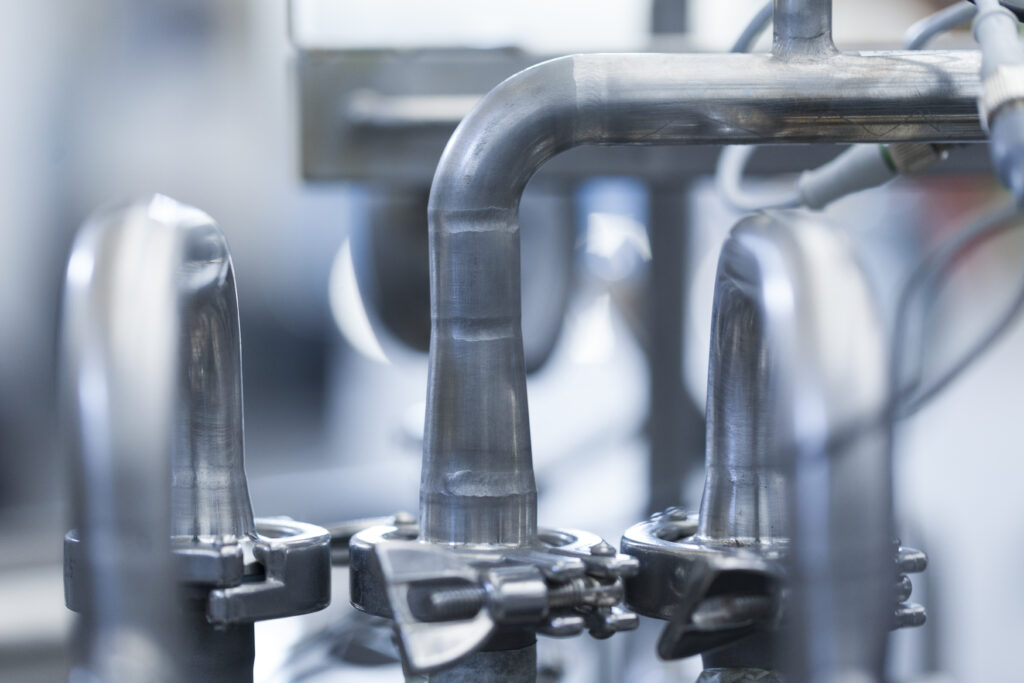
One of the most common mistakes in industrial design is assuming that all stainless steels offer the same performance. In reality, factors such as humidity, chlorides, aggressive chemicals, high temperatures, and frequent cleaning cycles can significantly affect material performance.
A correct choice allows you to:
- Extend equipment service life
- Reduce maintenance costs
- improve operational safety;
- Ensure compliance with industry standards
- limit the risk of premature corrosion.
For this reason, stainless steel selection should always be based on the operating environment rather than the initial material cost alone.
Differences Between AISI 304 and AISI 316
When discussing industrial stainless steel, the two most widely used grades are AISI 304 and AISI 316. Although both belong to the austenitic stainless steel family, they offer different characteristics that influence their applications.
AISI 304: The Most Versatile Solution
AISI 304 is the most widely used stainless steel grade worldwide thanks to its excellent balance of performance, workability, and cost-effectiveness.
Key Advantages
- Excellent corrosion resistance in standard environments
- High workability and weldability.
- Good mechanical properties
- Easy to clean and sanitize.
- Excellent value for money
Applications
AISI 304 is commonly used in:
- Food processing industry
- Industrial plants and equipment
- tanks and pipes
- Professional equipment
- stainless steel carpentry.
AISI 316: Maximum Corrosion Protection
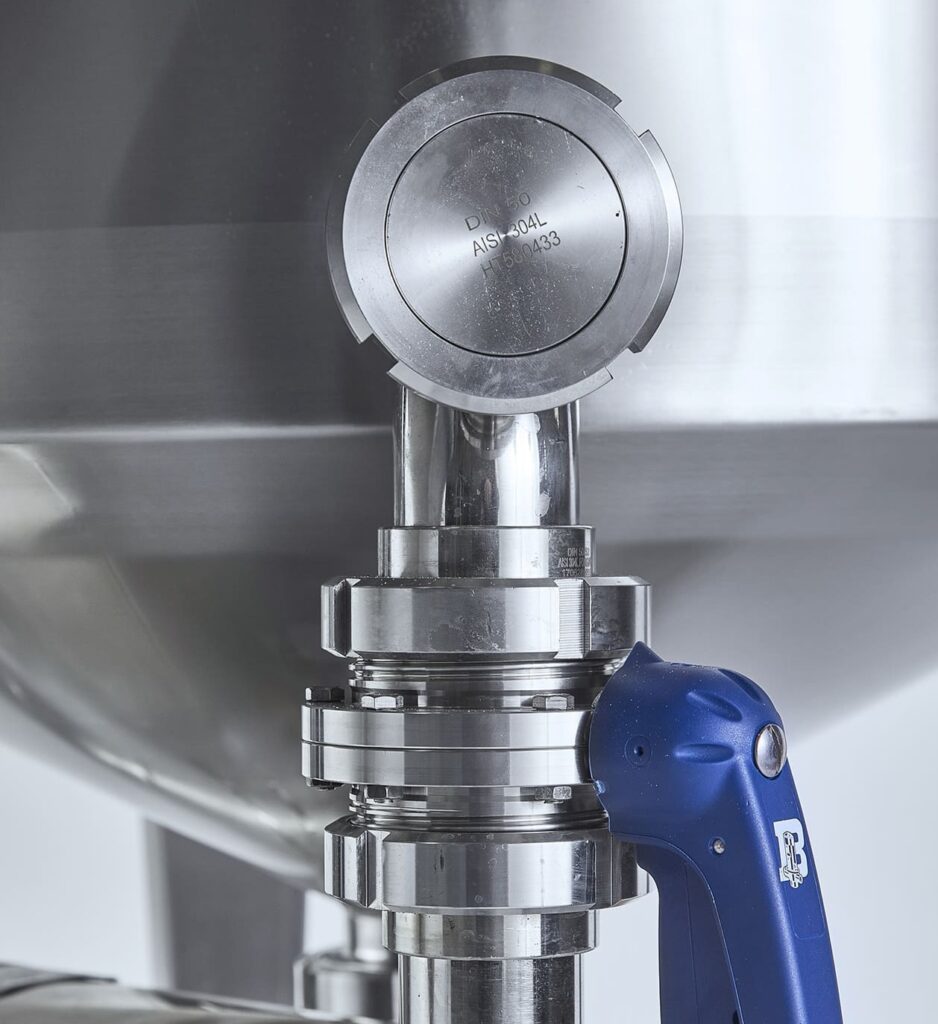
L’AISI 316 si differenzia dal 304 per la presenza di molibdeno nella composizione chimica. Questo elemento aumenta significativamente la resistenza alla corrosione, soprattutto in presenza di cloruri e sostanze aggressive.
Key Advantages
- High resistance to corrosive agents.
- Excellent performance in marine environments.
- Longer service life under severe conditions
- Outstanding suitability for chemical and pharmaceutical applications
Applications
AISI 316 is commonly selected for:
- Pharmaceutical industry
- Chemical processing industry
- water treatment plants
- naval and offshore sector
- High-hygiene environments
In the presence of aggressive detergents or particularly corrosive chemicals, the higher initial investment is generally offset by lower maintenance costs in the long term.
Other Stainless Steel Grades Used in Industry
In addition to AISI 304 and 316 steels, there are other types of stainless steel designed for specific needs.
AISI 430
AISI 430 belongs to the ferritic steel family and represents an economical solution for less aggressive applications.
It is commonly used for:
- Panels and cladding
- decorative components
- Household appliances
- Metal coverings and finishes
AISI 430
When temperature is the critical factor, AISI 310 offers greater resistance to oxidation and heat.
Its applications include:
- industrial ovens
- Thermal processing systems
- heat exchangers
- High-temperature manufacturing processes
Duplex Stainless Steels
Duplex steels combine high mechanical strength and excellent corrosion protection.
They are particularly suitable for:
- Offshore installations
- Oil & Gas sector
- petrochemical industry
- Desalination systems
Thanks to their unique properties, Duplex grades are often the preferred solution for extremely aggressive environments.
Corrosion Resistance and Chemical Compatibility
Corrosion resistance is one of the main reasons why stainless steel is widely used in industrial applications.
However, not all stainless steel grades react in the same way when exposed to external agents.
The main factors that can compromise metal surfaces are:
- Chlorides
- sea water
- Industrial acids
- Concentrated alkaline substances
- persistent humidity
- highly aggressive detergents.
For this reason, it is always advisable to carefully evaluate the compatibility between the selected alloy and the operating environment.
For additional technical information on stainless steel performance in corrosive environments, it is advisable to consult publications from the World Stainless Association e di Euro Inox.
Main Industrial Applications of Stainless Stee
Stainless steel is now present in numerous production sectors thanks to its mechanical and hygienic properties.
In addition to AISI 304 and 316 steels, there are other types of stainless steel designed for specific needs.
Food Industry
Easy-to-clean surfaces and corrosion resistance make stainless steel the preferred material for food processing equipment and production facilities.
Pharmaceutical Industry
High standards of cleaning and sterilization require reliable materials that are resistant to the chemicals used in production processes.
Chemical Industry
Tanks, pipelines, and components exposed to corrosive substances require alloys capable of ensuring operational reliability and safety.
Why Work with Stainless Steel Specialists
Choosing the right stainless steel grade requires technical expertise, knowledge of manufacturing processes, and a thorough evaluation of operating conditions.
INOX-FER supports companies, designers, and professionals in the creation of stainless steel components and structures, offering specialized consultancy and customized solutions for the main industrial sectors.
Conclusions
Understanding the differences between AISI 304, AISI 316, and other stainless steel alloys is the first step in choosing the material best suited to your needs.
Correct selection allows you to increase the lifespan of your systems, reduce maintenance, and ensure high performance even in the most demanding environments.
If you’re considering a new project or want to identify the best stainless steel solution for your business, the INOX-FER team can support you with dedicated technical advice and solutions designed to last.
Request technical advice to choose the most suitable stainless steel for your project.
Our team helps you identify the best performing alloy based on your operating environment.
FAQ - Frequently Asked Questions About Industrial Stainless Steel
1. What is the difference between AISI 304 and AISI 316 stainless steel?
The main difference is the presence of molybdenum in AISI 316. This element significantly improves corrosion resistance, especially in environments exposed to chlorides, seawater, and aggressive chemicals. AISI 304 is a more versatile and cost-effective option for standard industrial applications.
2. Which stainless steel is most resistant to corrosion?
For most industrial applications, AISI 316 offers superior corrosion resistance compared to AISI 304. In extremely aggressive environments, such as offshore installations or particularly harsh chemical processes, Duplex steels can guarantee even better performance.
3.Can stainless steel rust?
Yes. Although designed to resist corrosion, stainless steel is not completely immune to oxidation. Choosing an alloy unsuitable for the environment, the presence of surface contamination, or prolonged exposure to aggressive agents can promote corrosion.
4. Which stainless steel is best for the food industry?
In most food applications, AISI 304 is the most commonly used solution due to its hygienic properties and good corrosion resistance. For environments subject to frequent cleaning with aggressive detergents or high chloride levels, AISI 316 is recommended.
5. Which stainless steel should you use near the sea?
In marine environments, AISI 316 is preferable, as it offers greater resistance to chlorides present in salt water. For particularly exposed applications or offshore structures, duplex steels are often the most reliable solution.
6. When is it best to use Duplex steel?
Duplex steels are recommended when high mechanical strength and maximum corrosion protection are required. They are widely used in the oil and gas, chemical, petrochemical, naval, and desalination industries.
7. Which stainless steel is most suitable for the chemical industry?
The ideal choice depends on the substances being processed. In many cases, AISI 316 offers excellent performance. For highly aggressive environments or applications involving concentrated corrosive agents, Duplex grades or specialized alloys may be required.
8. What is the most used stainless steel in industry?
AISI 304 is the most widely used stainless steel worldwide. Thanks to its balance of cost, workability, and corrosion resistance, it is used in numerous industrial sectors, from food to plant engineering.
9.How do you choose the right stainless steel for an industrial application?
Several factors should be evaluated, including:
- Presence of corrosive substances
- operating temperature
- Humidity and environmental conditions
- health and hygiene requirements
- Mechanical stresses
- expected lifespan of the system.
Specialized technical consultancy allows us to identify the most efficient and long-lasting solution.
10.Does stainless steel require maintenance?
Yes, although significantly less than many other metallic materials. Proper cleaning and periodic maintenance help preserve the passive layer that protects the surface from corrosion, ensuring long-term performance and reliability.


