


Sommario
- 1. What “Food Grade” means
- 2. Characteristics of certified stainless steels for food use
- 3. Why food grade materials are essential
- 4. How to choose certified food grade materials and components
- 5. Conclusion
- 6. FAQ – Food Grade Stainless Steel and Components
- 6.1. 1. What is a food grade material?
- 6.2. 2. Which stainless steels are most commonly used in the food industry?
- 6.3. 3. Why is it important to use certified food grade components?
- 6.4. 4. Are food grade materials mandatory?
- 6.5. 5. What characteristics must a food-contact surface have?
- 6.6. 6. Where are food grade components used?
- 6.7. 7. How can you verify if a material is certified?
- 6.8. 8. What are the risks of using non-certified materials?
- 7. 📞 Request technical consultation
In the food industry, material selection is not just a technical matter but a fundamental requirement to ensure safety, hygiene, and regulatory compliance.
Certified food-grade steels and components represent the reference standard for all companies operating in food production, processing, and packaging.
Using unsuitable materials can lead to contamination, non-compliance, and risks to consumer health, as well as serious legal and reputational consequences.
What “Food Grade” means
The term food grade refers to materials designed and certified to come into direct contact with food without altering:
- composition
- taste
- odor
- microbiological safety
These materials comply with specific regulations and must guarantee chemical inertness, corrosion resistance, and ease of sanitation.
Characteristics of certified stainless steels for food use
Corrosion resistance
Food-grade stainless steels (such as AISI 304 and 316) are designed to withstand:
- humidity
- chemical agents
- frequent washing
- acidic or saline environments
This prevents metal particle release and reduces the risk of product contamination.
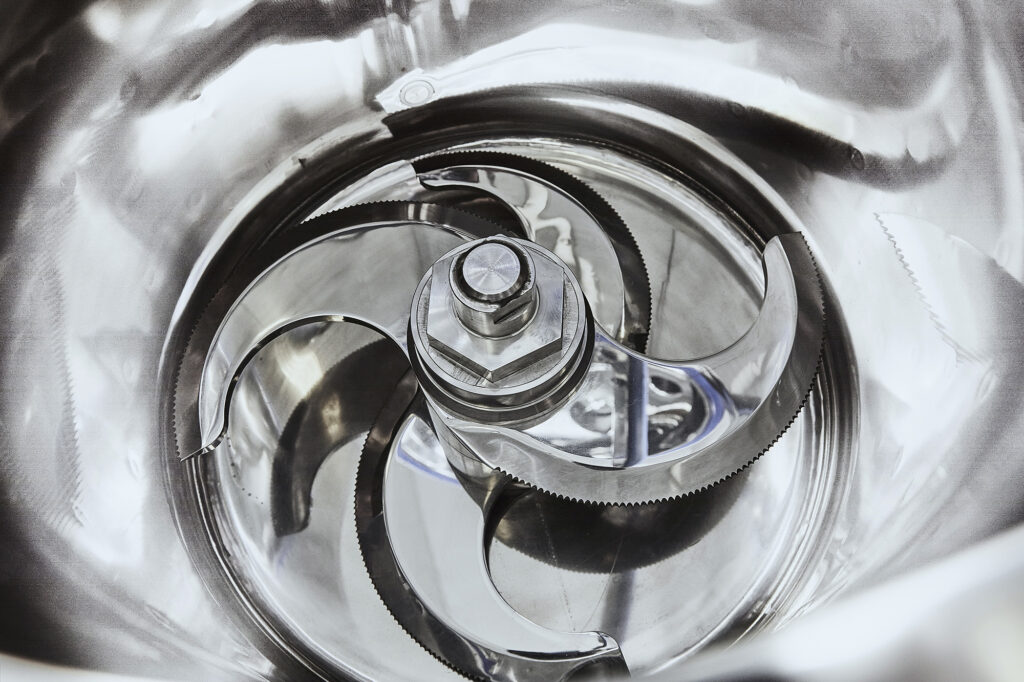
Ease of cleaning and sanitation
Surfaces must be:
- smooth and non-porous
- free from micro-cracks
- resistant to industrial detergents
- compatible with HACCP procedures
Sanitizable surfaces significantly reduce bacterial growth.
Safety and chemical inertness
Food grade materials do not release harmful substances and do not react with food, ensuring:
- no chemical migration
- long-term stability
- consumer safety
Regulatory compliance
Certified materials comply with standards such as
- MOCA (Materials and Objects in Contact with Food)
- European food safety regulations
- Traceability and material certification requirements
Compliance is essential for audits, certifications, and health inspections.
Why food grade materials are essential
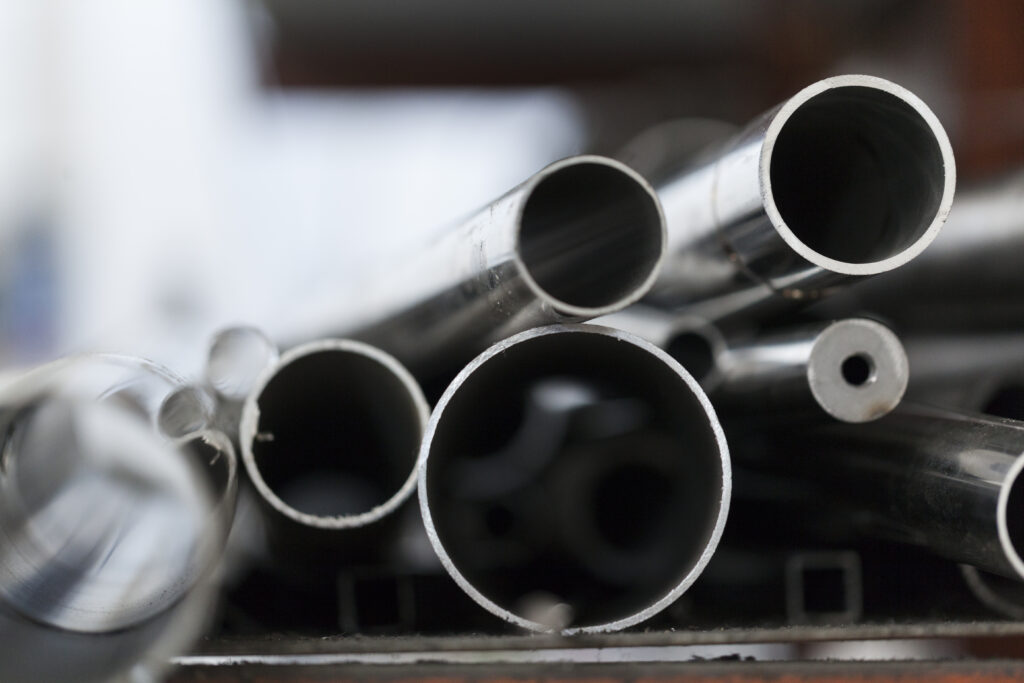
Contamination prevention
Unsuitable materials may promote:
- bacterial growth
- chemical contamination
- metal contamination
Certified components dramatically reduce these risks.
Production continuity and reliability
High-quality materials ensure:
- longer life of the systems
- reduced maintenance
- fewer production downtimes
- improved operational efficiency
Brand protection and compliance
Food safety is also about reputation. Certified stainless steels:
- protect the brand
- prevent non-compliance issues
- ensure consistent product quality
- support ISO and food safety certifications
Food Grade Components: where they are used
- Food processing plants
- Stainless steel tanks and containers
- Sanitary valves and fittings
- Production and conveyor lines
- Componenti per confezionamento
- Food transport systems
How to choose certified food grade materials and components
When selecting food grade materials, it is important to evaluate:
- certifications and regulatory compliance
- surface finishing quality
- chemical and mechanical resistance
- material traceability
- compatibility with sanitation processes
- supplier reliability
Conclusion
Certified food grade stainless steels and components are a key element in ensuring safety, hygiene, and quality in the food industry. Investing in certified materials means protecting the product, equipment, and company reputation while ensuring regulatory compliance and operational continuity.
FAQ – Food Grade Stainless Steel and Components
1. What is a food grade material?
A food grade material is suitable for direct contact with food without altering its composition, taste, odor, or safety. It must be chemically inert, corrosion-resistant, easy to sanitize, and compliant with regulations for materials in contact with food.
2. Which stainless steels are most commonly used in the food industry?
The most widely used grades are:
- AISI 304 → Standard food applications, good corrosion resistance
- AISI 316 / 316L → Higher resistance to aggressive, acidic, or saline environments
The correct choice depends on the type of food, production process, and cleaning chemicals used.
3. Why is it important to use certified food grade components?
They ensure:
- food safety
- prevention of chemical and bacterial contamination
- regulatory compliance
- longer equipment lifespan and reliability
- brand protection and product quality
4. Are food grade materials mandatory?
Yes, for all applications involving direct contact with food. Companies must use materials compliant with regulations for Food Contact Materials (such as MOCA in the EU) and ensure traceability and certification.
5. What characteristics must a food-contact surface have?
- smooth and non-porousliscia e non porosa
- free from cracks and microfissures
- resistant to detergents and sanitizers
- easy to clean and disinfect
- resistente alla corrosione
6. Where are food grade components used?
- food processing equipment
- stainless steel tanks and vessels
- sanitary valves, fittings, and piping
- production and packaging lines
- food transport and handling systems
7. How can you verify if a material is certified?
You should request:
- material certificates (e.g., EN 10204 3.1)
- declaration of compliance for food contact
- batch traceability
- technical specifications and surface finish details
8. What are the risks of using non-certified materials?
- product contamination
- failure during audits or inspections
- faster equipment deterioration
- legal and reputational risks
