Sommario
- 1 1. Advanced Automation: Efficiency, Control, and Productivity
- 2 2. Digital Traceability for Total Quality Control
- 3 3. Smart Sanitation: Food Safety and Sustainability
- 4 4. How We Integrate 2026 Trends into Custom Food Processing Plants
- 5 5. Other Food Processing Trends to Watch in 2026
- 6 Conclusion: The Future of Food Processing is Customized
- 7 FAQ – 2026 Trends in Food Processing and Custom Food Plants
Food processing is undergoing a significant transformation in Italy and Europe, driven by technological innovation, advanced automation, and increasingly high standards for safety and sustainability.
In 2026, food companies will face new competitive challenges, investing in customized, intelligent, and digitalized food processing plants.
In this article, we explore the main food processing trends for 2026 and how our company integrates them into the design and construction of high-performance customized plants.
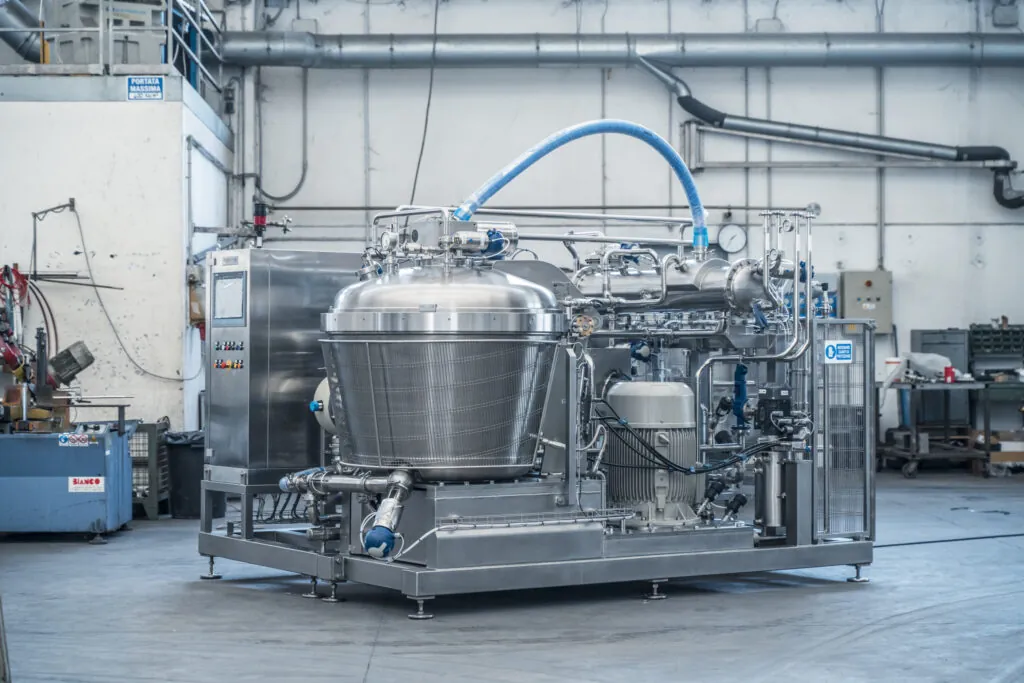
Industrial automation is a key pillar of modern food processing. By 2026, food plants will increasingly focus on efficiency, process control, and minimizing manual interventions.
Benefits of Automation in Food Processing
- Reduced operational errors and downtime
- Increased productivity and optimized cycle times
- Intelligent monitoring of energy and raw material consumption
Technology Solutions Integrated in Our Plants
- Inverters for efficient motor management, delivering significant energy savings
- Automation of valves and sensors to optimize water and detergent use during cleaning phases
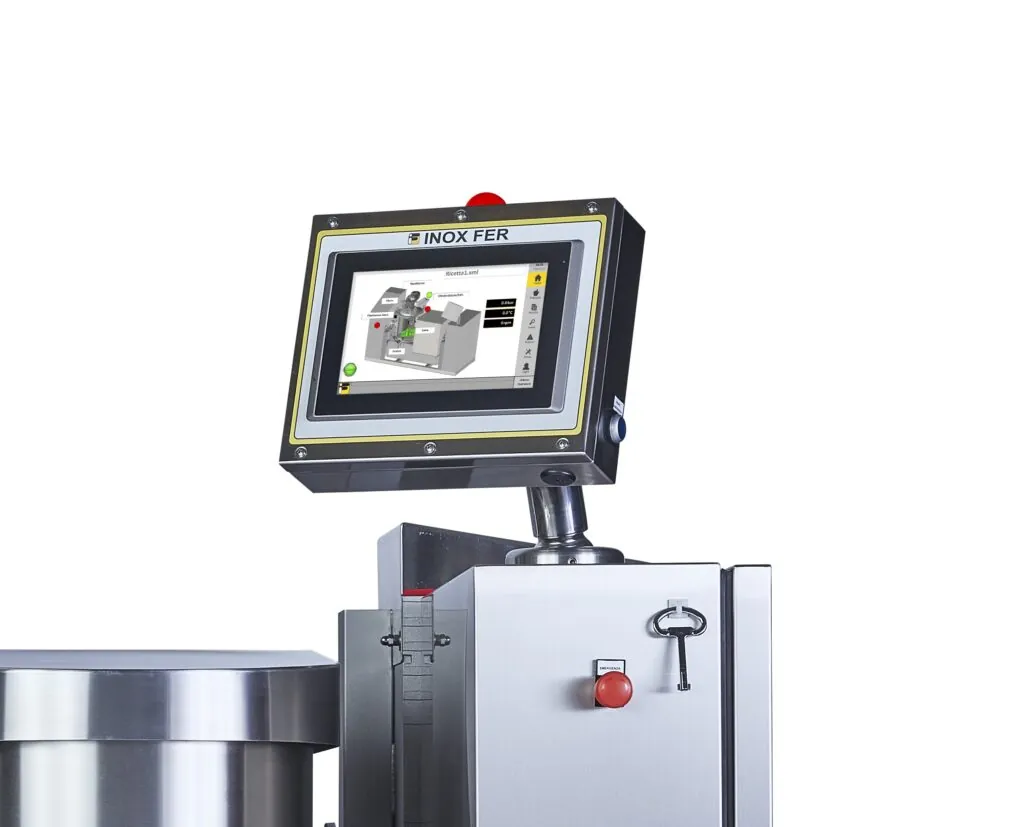
- Supervision and control systems to monitor food processing parameters in real time
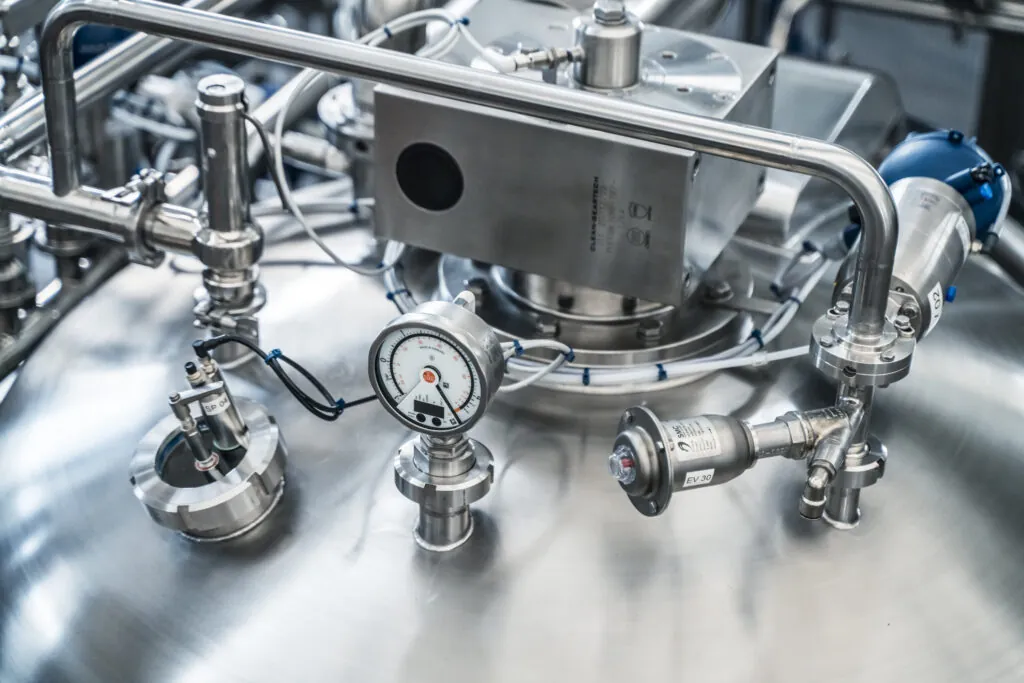
Traceability has become essential in food processing, ensuring both food safety and compliance with increasingly stringent regulations.
Why Traceability is Strategic
- Immediate detection of defects, anomalies, or contamination
- Continuous monitoring of parameters such as size, color, and texture
- Reduced waste and more consistent product quality
Integrated Traceability in Our Plants
In our food processing plants, traceability is fully integrated into quality control systems, allowing monitoring of:
- Incoming ingredients
- Processing phases (timing, thermal treatments, cooking)
- Product discharge events with precise and secure data recording
In 2026, food processing will increasingly rely on smart and sustainable sanitation technologies to ensure maximum food safety while minimizing environmental impact.
Smart Sanitation Technologies
- Automated CIP systems with digital monitoring
- Advanced sensors to detect residues or contamination
- Fast cleaning processes with lower water and detergent consumption
Plants Designed to Meet Strict Standards
Our food processing plants are designed to meet the highest hygiene standards, fully complying with national and international regulations.
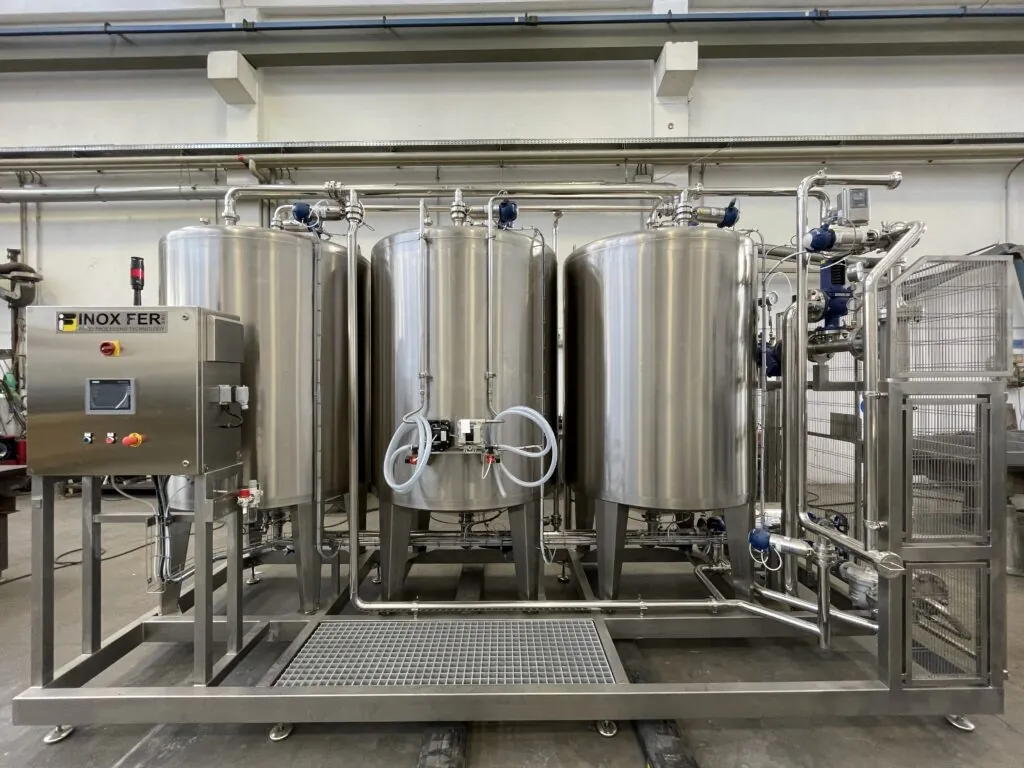
Our approach is comprehensive and personalized, guiding clients through every phase of the project.
Our Design Methodology
- Production Needs Analysis – Evaluation of products, volumes, layout, regulations, and technical requirements.
- Integrated Plant Design – Integration of automation, traceability, smart sanitation, and optimized production flows.
- Installation and Post-Start-Up Support – Assembly, commissioning, staff training, and ongoing support.
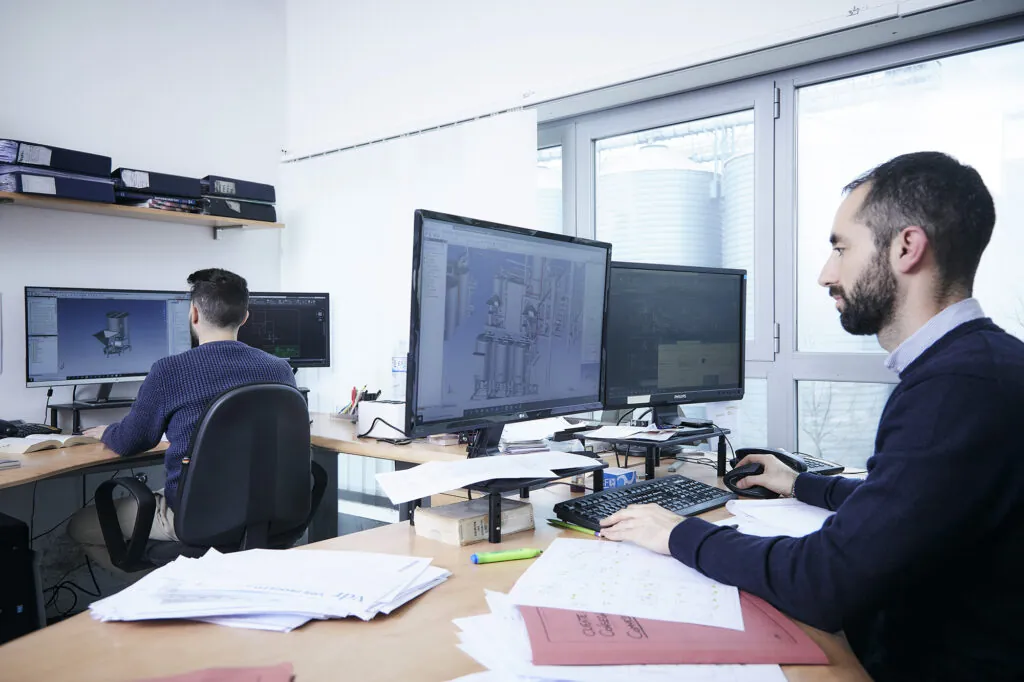
2026 is a pivotal year for industrial food processing. Advanced automation, quality control, and smart sanitation become practical tools to enhance efficiency, safety, and competitiveness.
Our company supports food businesses in this journey, designing customized food processing plants that integrate the latest technologies and deliver long-term results.